
A week of learning abroad can be energising, but the strongest Erasmus+ results are not measured by the journey itself. They appear later: in a new classroom routine, a colleague who tries a different approach, or a learner who is finally given a better way to participate.
For schools and education organisations, staff mobility is an opportunity for professional learning and organisational development. The current Erasmus+ Programme Guide places learning, inclusion, digital transformation and cooperation at the centre of the programme. The challenge is to turn individual experience into shared improvement. Here is a practical 30-day plan.
1. Start with one concrete need
Before departure, connect the mobility to a real question in your school or organisation. It might be how to increase participation, make assessment more useful, support multilingual learners or design more purposeful digital learning. One or two clear questions are more helpful than a long list of expectations.
Use the Erasmus+ Mobility Agreement as a planning tool, not just a form to complete. It sets out the teaching or training programme and clarifies the shared responsibility of the staff member, sending organisation and receiving organisation. Add a simple success statement in your own notes: “After returning, I will trial one practical method, share it with colleagues and collect evidence of what changed.”
2. Capture learning while it is fresh
During the activity, record examples rather than trying to document everything. At the end of each day, write down:
- three ideas worth remembering;
- one question about how the idea would work in your context;
- one small adaptation you could test at home.
Pay attention to the conditions behind a practice. A discussion routine may work because the group is small. A digital tool may be effective because learners received careful preparation. A collaborative task may depend on clear roles and accessible materials. Noticing these conditions prevents “copy and paste” implementation and helps you redesign the idea responsibly.
Keep examples anonymous and avoid sharing identifiable learner information. Collect public resources, your own reflections and non-sensitive notes that can later help colleagues understand both the method and its limits.
3. Share the learning at two levels
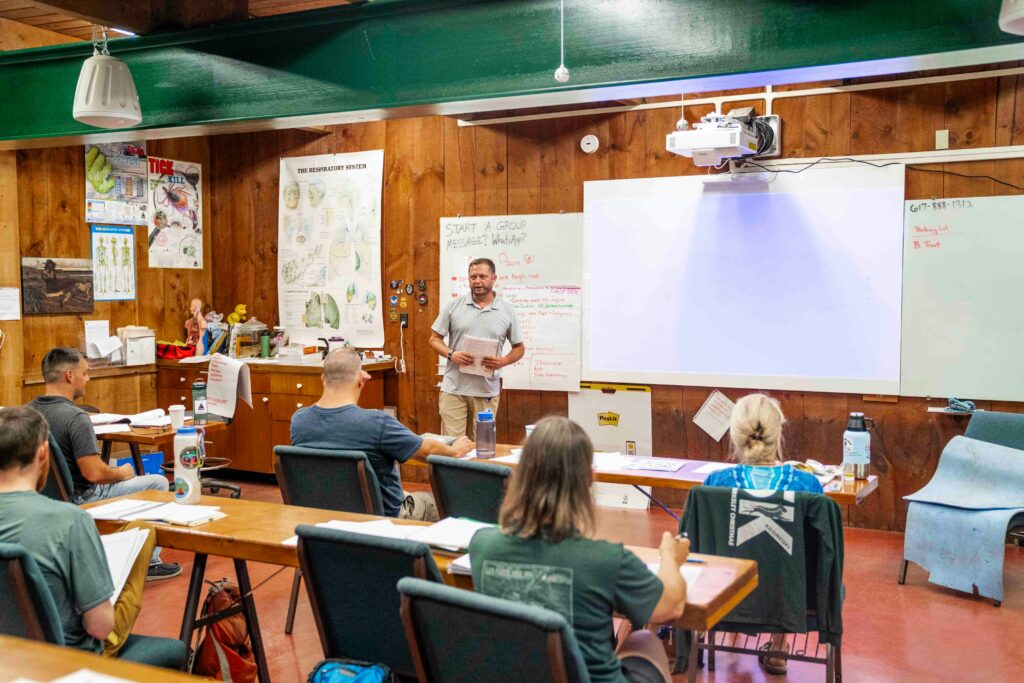
Within the first week after returning, give colleagues a short, practical briefing. A useful format is a 20-minute “show and try” session: explain the need, demonstrate one activity, invite colleagues to experience a small part of it, and discuss where it might fit your curriculum or youth-work setting.
Follow up with a one-page summary containing four elements: the original challenge, the practice observed, the local adaptation and the question you still need to answer. This makes the mobility useful to people who did not travel and creates a record that can be revisited during planning meetings.
Link the learning to a shared priority. Erasmus+ identifies inclusion and diversity, digital transformation, environmental responsibility, and participation in democratic life as programme priorities. You do not need to force every activity into every priority. Choose the connection that is genuine and explain how the new practice could support it.
4. Test one change, then adapt it
Do not return with a promise to transform everything. Choose one manageable practice and pilot it for two or three weeks with one class, group or training session. Keep the change small enough to observe. For example, introduce a structured peer-feedback routine, offer two ways to demonstrate learning, or use a short reflection at the end of a project.
Collect light-touch evidence. Compare a sample of learner work, note who participates and who remains quiet, ask learners one or two anonymous questions, and write a short teacher reflection after each session. The aim is not to manufacture a success story. It is to ask: What changed? For whom? Under what conditions? What should be adjusted?
Invite a colleague to observe one session or review the materials. A second perspective can reveal barriers that are easy to miss when you are testing your own idea.
5. Document outcomes and keep the loop open
At the end of 30 days, review the original question. Record what was tried, what evidence was collected, what learners or colleagues noticed, and what should happen next. Assign an owner and a date for the next review so the idea does not disappear into a folder.
This approach also supports the follow-up, evaluation, learning-outcome documentation and sharing of results expected across Erasmus+ project work. If your organisation is involved in a funded project, check the specific requirements of the relevant action and National Agency. The Erasmus+ Project Results Platform is a useful place to explore how other organisations describe their results and resources.
A practical 30-day checklist
- Before mobility: define one school or organisational need and write two observable learning goals.
- During mobility: keep a daily learning log and save adaptable, non-sensitive examples.
- Days 1–7 after return: run a short colleague briefing and share a one-page takeaway.
- Days 8–21: pilot one practice, gather simple evidence and invite peer observation.
- Days 22–30: review the evidence, refine the practice and agree the next owner and action.
Keep the focus on transfer, not travel
Mobility creates potential; transfer creates value. When a participant returns with a clear need, a testable idea and a plan to share learning, an international experience can strengthen everyday teaching and organisational learning. The most convincing story is not that a method was imported unchanged. It is that educators observed carefully, adapted thoughtfully and improved practice together.