Why green learning belongs in everyday school life
Environmental education is most effective when it moves beyond a special event or a single awareness day. Learners need opportunities to investigate the places where they live, understand how systems are connected and take part in realistic decisions. This is the practical spirit behind the European Commission’s GreenComp sustainability competence framework.
GreenComp describes four broad areas of competence: embodying sustainability values, embracing complexity in sustainability, envisioning sustainable futures and acting for sustainability. These areas can be developed through ordinary lessons, project work and non-formal learning. They do not require expensive equipment or a large environmental project.
Erasmus+ also identifies environment and the fight against climate change as a programme priority. Its guidance encourages projects to raise awareness, promote sustainable lifestyles, integrate green topics into learning and develop skills for the ecological transition. The following activities are practical suggestions for schools and education organisations. They are not reports of Phoenix Training Center activities.
1. Carry out a school resource audit
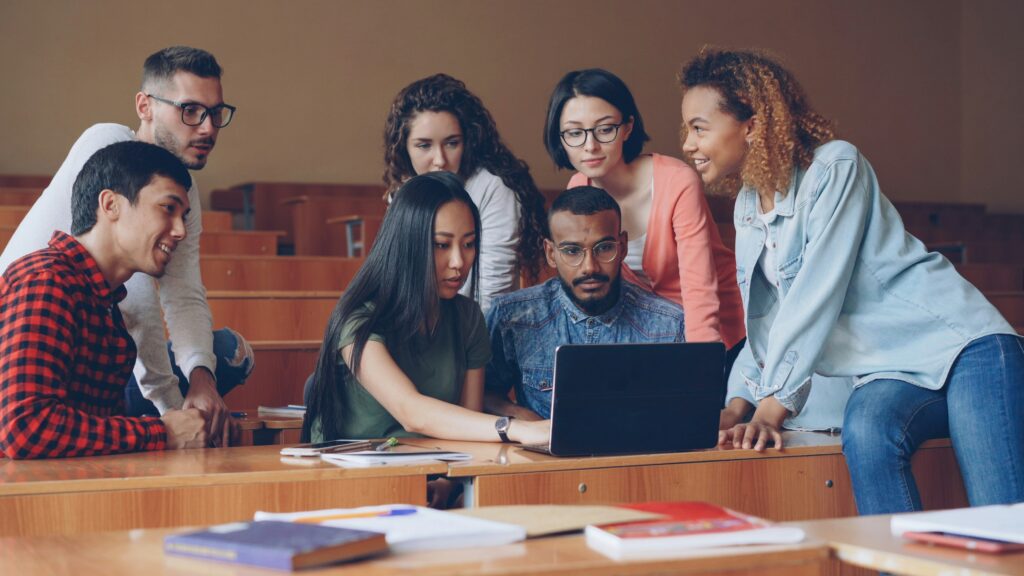
Ask learners to investigate how the school uses energy, water, paper and other resources. Begin with a simple question: “Where might our school use resources more carefully?” Small groups can examine different areas, such as classrooms, corridors, the staff room, outdoor spaces or the canteen.
- Record observations rather than making assumptions.
- Identify habits, systems and physical features that influence resource use.
- Separate evidence from opinions.
- Present two or three realistic improvement ideas.
The activity can connect mathematics, science, geography, language and civic education. Learners might create a map of findings, calculate paper use from class records or compare different solutions. The important learning outcome is not a perfect audit. It is the ability to observe a system, discuss trade-offs and propose an achievable next step.
2. Create a local biodiversity field guide
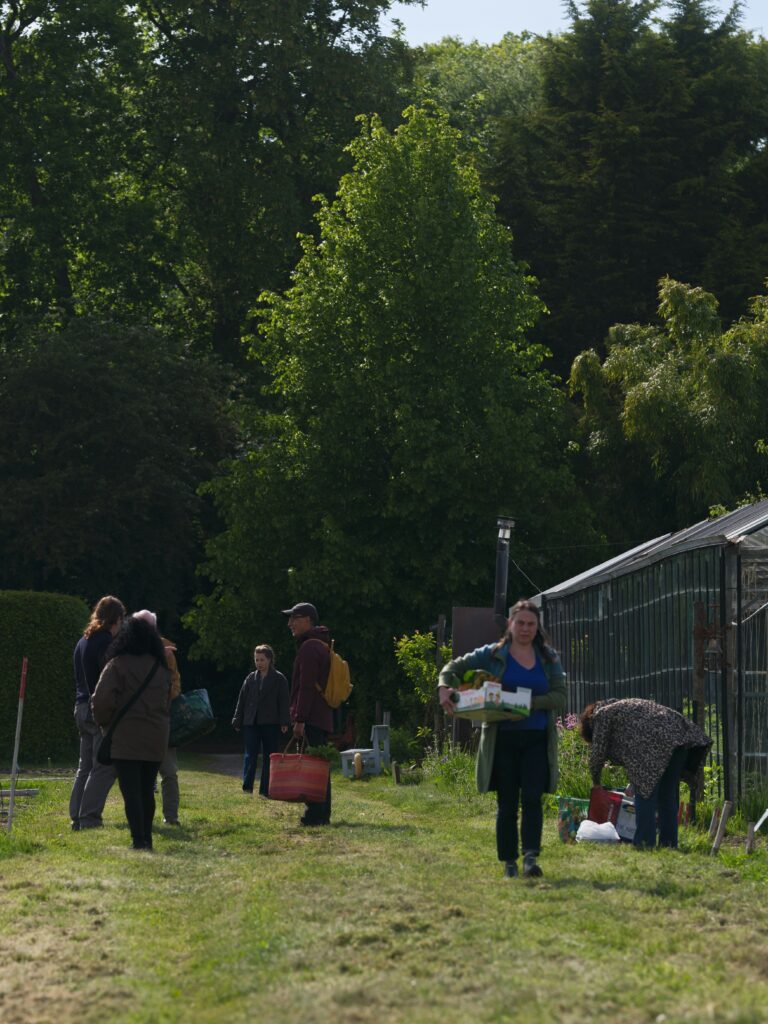
Environmental learning does not always need to begin with global climate data. Learners can start by noticing the plants, insects, birds and other forms of life around the school. They can create a simple field guide using drawings, photographs or short descriptions.
Before beginning, agree on safe observation rules and make clear that learners should not disturb animals or remove living things. Groups can document what they see, compare observations across different areas and discuss what a healthy habitat might require.
The final guide could include questions such as:
- Which species or signs of life were easiest to find?
- Which areas appeared to support more biodiversity?
- What human activities might help or harm these habitats?
- What could be improved without creating unrealistic maintenance demands?
This activity develops careful observation and helps learners understand that environmental decisions are connected to local places. It also creates an opportunity to discuss uncertainty: one observation is not the same as a complete scientific survey.
3. Map sustainable journeys to school
A mobility map turns everyday travel into a learning investigation. Learners can anonymously record how they usually travel to school, the barriers they notice and the changes that might make lower-impact travel easier or safer.
Use aggregated information rather than collecting unnecessary personal data. A class could mark broad travel patterns on a paper map, compare journey times or identify missing infrastructure such as safe crossings, cycle storage or reliable public transport connections.
The discussion should avoid blaming individuals. Not every learner has the same options, and sustainable choices depend on distance, accessibility, family responsibilities and local infrastructure. The learning goal is to understand how personal behaviour and public systems interact.
4. Investigate the life of an everyday product
Choose an ordinary object such as a notebook, school uniform, food container or mobile device. Ask learners to trace the stages involved in making, transporting, using and disposing of it. They can build a simple life-cycle story and identify where environmental, social or economic decisions appear.
Older learners might compare two possible choices and explain the trade-offs. Younger learners can sequence picture cards and discuss which parts of the journey are visible and which remain hidden. The activity encourages systems thinking without requiring precise life-cycle calculations.
5. Design a sustainable future scenario
Invite learners to imagine the school or neighbourhood in ten years. What could be different about food, transport, buildings, energy, green space or community decision-making? Ask them to create a realistic scenario and identify the actions needed to move towards it.
To keep the task grounded, require each group to include one action that could begin this term, one action requiring wider cooperation and one question that still needs evidence. This combination develops imagination, critical thinking and practical planning.
From activity to meaningful learning
Each activity becomes stronger when learners reflect on what they discovered and what they can reasonably do next. A short reflection can ask:
- What did we observe?
- What connections did we identify?
- Which solution appears most realistic, and why?
- Who would need to be involved?
- What evidence would show whether the idea helped?
Green learning is not about presenting one perfect answer. It is about helping learners understand complexity, value the environment and participate in informed decisions. By connecting sustainability with local evidence and shared action, schools can make the green transition part of everyday learning.